Mastering Butterfly Woman Line Art: A Practical Guide to Quality and Usability
The allure of Butterfly Woman Line Art lies in its deceptive simplicity. At first glance, it appears to be a straightforward fusion of feminine elegance and natural symbolism. However, for designers, hobbyists, and entrepreneurs looking to incorporate this aesthetic into their projects, the difference between a professional result and an amateurish mistake often comes down to technical details that are easily overlooked. Whether you are creating a minimalist poster, designing a tattoo, or developing a brand identity, understanding the nuances of this art form is crucial.
This guide addresses common pitfalls when selecting and using these assets. By focusing on file integrity, stylistic coherence, and practical application, you can ensure your creative work remains polished and effective.
Understanding the Appeal and Utility
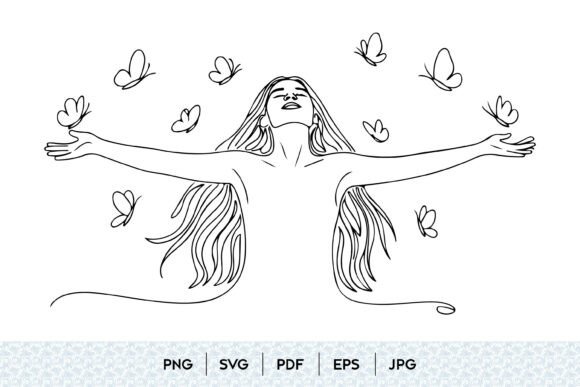
Butterfly Woman Line Art combines the graceful silhouette of a female figure with the delicate wings of a butterfly. This imagery resonates deeply because it symbolizes transformation, freedom, and beauty. In modern design, this theme is versatile. It fits seamlessly into boho style interiors, fashion illustrations, and contemporary wall art. The minimalist nature of line drawing allows it to complement rather than overwhelm a space or product.
However, popularity often leads to saturation. When browsing marketplaces for a butterfly sketch or female silhouette, it is easy to grab the first visually appealing option. This haste is where most errors begin. The visual appeal on a small thumbnail rarely translates to high-quality usability in professional applications.
Mistake 1: Ignoring File Format Specifics
One of the most frequent errors buyers make is downloading a single format without considering their end use. You might see a listing promising SVG, PNG, EPS, JPG, and PDF files, but assume they are all equal. They are not.
If you plan to scale the image for a large minimalist poster or a vinyl decal, using a raster format like JPG or PNG will result in pixelation. These formats rely on pixels, which blur when enlarged. Conversely, if you are sending a design to a professional printer for high-end packaging, a low-resolution PDF may lack the necessary vector data for crisp edges.
The Better Approach: Always prioritize vector formats such as SVG or EPS for any project requiring resizing. Vector illustrations use mathematical paths, ensuring that your continuous line drawing remains sharp at any size. Keep PNGs only for web use where transparency is needed, and reserve JPGs for quick previews or social media posts where file size matters more than scalability.
Mistake 2: Overlooking Line Consistency and Weight
In one line drawing or contour drawing styles, the weight and flow of the line are everything. A common oversight is choosing artwork where the line thickness varies unintentionally or where the connection points feel disjointed. This often happens with poorly executed hand drawn scans that haven’t been properly vectorized.
When the line weight is inconsistent, the elegant female profile can look messy rather than artistic. This distracts the viewer and undermines the beauty concept you are trying to convey. For instance, if the butterfly wings have thick, bold strokes while the woman’s face uses thin, fragile lines, the visual balance is lost.
The Better Approach: Zoom in to 400% before purchasing or using the asset. Check if the black line art maintains a consistent stroke width unless variation is a deliberate stylistic choice. Look for smooth curves in the abstract woman shape. If the lines appear jagged or broken, the source file is likely low quality, regardless of the format.
Mistake 3: Misjudging Complexity for Intended Use
Not all butterfly illustration designs are suitable for every medium. A highly detailed floral theme background combined with a complex woman portrait might look stunning as a digital print. However, if you attempt to use this same design for a small logo, a jewelry engraving, or a tattoo design, the details will vanish.
Many creators fail to match the complexity of the line illustration with the physical constraints of their project. A simple artwork approach is often more effective for small-scale applications, while intricate decorative art works better for large-format wall art.
The Better Approach: Define your application before selecting the design. For tattoos or small merchandise, choose a minimalist vector with clear negative space. For large prints, you can afford more intricate abstract portrait elements. Test the design by shrinking it to the size of a stamp; if the butterfly wings merge into a black blob, it is too complex for small uses.
Mistake 4: Neglecting Licensing and Commercial Rights
It is tempting to assume that downloadable printable design files are free to use for commercial products. This is a dangerous assumption. Many artists offer Butterfly Woman Line Art for personal use only. Using these for client work, selling printed goods, or incorporating them into a brand logo without proper licensing can lead to legal issues and financial penalties.
The Better Approach: Always read the license agreement. Look for terms like "Commercial Use Allowed" or "Extended License." If you are a freelancer creating work for a client, ensure your license covers transfer of rights if necessary. Investing in properly licensed vector illustration assets protects your business and respects the creator’s effort.
Checklist for Selecting High-Quality Assets
Before finalizing your choice of Butterfly Woman Line Art, run through this quick evaluation:
- Scalability: Does the package include SVG or EPS files for infinite scaling?
- Cleanliness: Are there stray anchor points or overlapping paths in the vector file?
- Style Match: Does the graceful woman silhouette align with your brand’s aesthetic (e.g., boho, modern, classic)?
- Usability: Is the design simple enough for your intended medium (e.g., embroidery, engraving, printing)?
- Licensing: Do you have the right to use this for commercial purposes if needed?
By paying attention to these technical and artistic details, you elevate your projects from generic to exceptional. Butterfly Woman Line Art is a powerful visual tool when used correctly. It offers a timeless blend of nature and femininity that, when executed with precision, communicates elegance and sophistication. Avoid the common traps of poor file management and mismatched complexity, and you will find that this artistic style enhances your creative portfolio significantly.
Remember, the goal is not just to acquire an image, but to integrate a piece of contemporary art that serves your specific needs. Whether you are a beginner exploring aesthetic drawing or a professional refining a fashion illustration, the quality of your source material dictates the quality of your final output. Choose wisely, check your files, and let the freedom concept inherent in the butterfly motif shine through your work.