Understanding Single Flower Line Art Design: A Practical Guide to Formats and Uses
In the realm of digital illustration and graphic design, Single Flower Line Art Design has emerged as a versatile and enduring aesthetic. Characterized by its clean contours, minimalistic approach, and elegant simplicity, this style strips away complex shading and color gradients to focus on the essential form of botanical elements. Whether you are a professional designer looking for scalable assets or a hobbyist creating printable wall art, understanding the nuances of this format is crucial for making informed decisions about your creative resources.
This guide explores what defines single flower line art, evaluates the different file formats available—such as SVG, PNG, EPS, JPG, and PDF—and helps you determine when this minimalist style is the right choice for your project compared to more detailed alternatives.
Defining the Aesthetic: Minimalism in Botanical Illustration
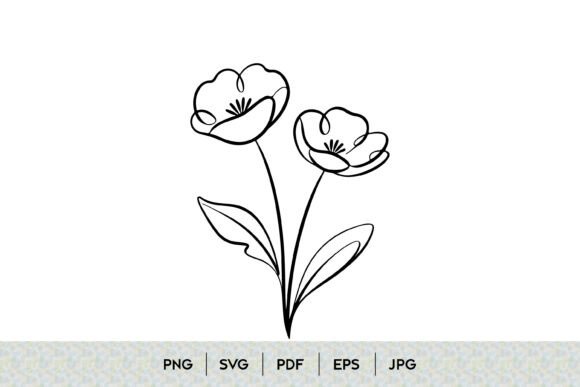
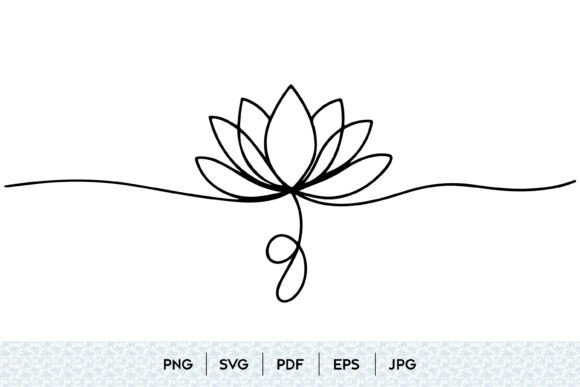
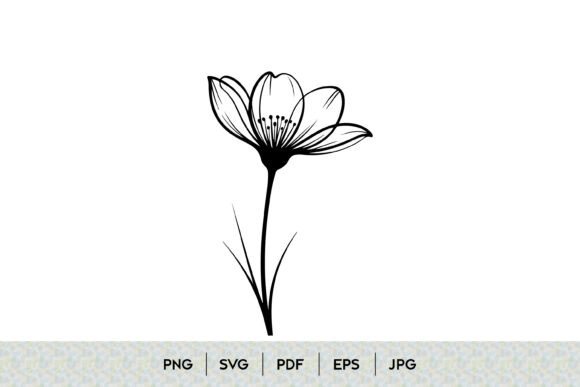
At its core, Single Flower Line Art Design relies on the power of suggestion rather than explicit detail. It often utilizes continuous lines, delicate outlines, or abstract contours to represent petals, leaves, stems, and blooms. This approach aligns with modern design trends that favor negative space and uncluttered compositions. The result is an image that feels both organic and structured, capturing the essence of nature without the visual noise of realistic photography or heavy digital painting.
The appeal of this style lies in its adaptability. Because it is typically rendered in black and white or simple monochrome palettes, it integrates seamlessly into various design contexts. From logo icons to decorative elements in wedding invitations, the minimalistic nature of line art ensures it does not overpower other design components. Instead, it acts as a sophisticated accent that enhances readability and visual balance.
Evaluating File Formats: SVG, PNG, EPS, JPG, and PDF
When acquiring or creating single flower line art, the file format is just as important as the artistic style. Each format serves a specific purpose, and choosing the wrong one can lead to quality issues or workflow inefficiencies. Here is a breakdown of the common formats you will encounter:
- SVG (Scalable Vector Graphics): This is often the preferred format for web designers and digital creators. As a vector file, SVGs remain crisp at any size, making them ideal for responsive websites and app interfaces. They are also editable, allowing you to change stroke weights or colors directly in code or design software.
- EPS (Encapsulated PostScript): A standard in the printing industry, EPS files are vector-based and compatible with most professional design tools like Adobe Illustrator. If you plan to scale the flower design for large-format prints, such as banners or signage, EPS is a reliable choice.
- PDF (Portable Document Format): While commonly associated with documents, PDFs can contain vector graphics. This format is excellent for sharing designs with clients who may not have specialized design software, as it preserves quality and is widely viewable. It is also a popular choice for printable wall art downloads.
- PNG (Portable Network Graphics): Unlike the vector formats above, PNG is a raster image. However, it supports transparency, which is vital for overlaying line art onto colored backgrounds or photos. Ensure you download high-resolution PNGs if you intend to print them, as they can pixelate if scaled up too much.
- JPG (Joint Photographic Experts Group): This is the most common but least flexible format for line art. JPGs do not support transparency and use compression that can introduce artifacts around sharp lines. It is best suited for quick previews or web use where file size is a concern, but it is generally not recommended for professional design work.
For maximum versatility, many resource providers offer bundles containing all these formats. This allows you to use the SVG for digital projects and the high-resolution PNG or PDF for physical prints, ensuring you are prepared for any scenario.
Comparing Line Art with Other Botanical Styles
To understand where Single Flower Line Art Design fits in your toolkit, it is helpful to compare it with other popular botanical illustration styles. Each style has distinct strengths and tradeoffs depending on the intended application.
Line Art vs. Realistic Digital Painting
Realistic digital paintings offer depth, texture, and vibrant color, making them suitable for covers, detailed posters, or artistic statements. However, they are visually heavy and can clash with text-heavy layouts. In contrast, line art is lightweight and understated. It is the better choice when you need a decorative element that supports content rather than dominating it. If your goal is clarity and modern elegance, line art wins; if your goal is emotional impact through realism, painting is superior.
Line Art vs. Watercolor Illustrations
Watercolor styles bring a soft, organic, and hand-painted feel that is popular in wedding stationery and lifestyle branding. While beautiful, watercolors can be difficult to reproduce consistently across different media due to their subtle gradients and textures. Line art, being strictly contour-based, offers high consistency and reproducibility. It is also easier to recolor digitally, whereas changing the hue of a watercolor piece often requires significant manual editing.
Line Art vs. Geometric Abstracts
Geometric floral designs use shapes and angles to construct flowers, offering a tech-forward or architectural vibe. Single flower line art, particularly those using continuous or hand-drawn lines, retains a more natural and human touch. If your brand or project aims for warmth and accessibility, the organic flow of line art is more effective. If you are targeting a futuristic or industrial aesthetic, geometric styles may be more appropriate.
Practical Use Cases and Decision Factors
Deciding whether to use Single Flower Line Art Design depends on several practical factors. Consider the following scenarios to determine if this style aligns with your needs:
- Branding and Logos: If you are designing a logo for a spa, boutique, or eco-friendly product, line art provides a clean, memorable icon that works well at small sizes. Its simplicity ensures legibility on business cards and social media avatars.
- Printable Wall Art: For home decor, minimalist line art is trendy and cost-effective. It prints well on standard home printers and looks sophisticated in simple frames. The black-and-white nature allows it to fit into any room’s color scheme without clashing.
- Web and UI Design: In user interface design, load times and clarity are paramount. SVG line art icons load instantly and scale perfectly on retina displays, making them a technical and aesthetic win over heavy image files.
- Textile and Pattern Design: Line art can be tiled easily to create seamless patterns for fabrics or wrapping paper. The open spaces between lines allow for creative color blocking or background textures.
However, there are limitations. If your project requires high emotional resonance through color psychology or detailed realism, line art may feel too sterile or distant. Additionally, while vector formats are scalable, poorly drawn line art with uneven strokes can look amateurish. Always review the quality of the curves and anchor points in vector files before committing to a purchase or usage.
Making the Right Choice for Your Project
Ultimately, Single Flower Line Art Design is a tool for refinement. It is not about adding more to a design, but about removing the unnecessary to highlight the essential. When evaluating resources, look for designs that offer multiple formats, ensuring you have the flexibility to adapt the asset for both digital and print mediums.
Consider the context of your audience. For a modern, tech-savvy, or minimalist demographic, this style resonates strongly. For audiences that prefer traditional richness or vibrant expression, you might need to supplement line art with other elements or choose a different style entirely. By understanding the technical specifications of SVG, PNG, EPS, JPG, and PDF files, and recognizing the aesthetic tradeoffs compared to watercolor or realistic styles, you can make informed decisions that enhance your creative output without unnecessary complexity.
Whether you are creating a simple icon, a decorative border, or a standalone piece of wall art, the elegance of single flower line art lies in its restraint. Use it wisely, and it will serve as a timeless element in your design repertoire.