Flower Basket Bouquet Line Art Illustration Guide
In the crowded marketplace of digital assets, simplicity often speaks the loudest. The Flower Basket Bouquet Line Art Illustration represents a shift toward minimalist elegance, stripping away complex shading and vibrant color palettes to focus on the essential beauty of form. This style is not merely about drawing flowers; it is about capturing the rhythm of nature through continuous lines, delicate contours, and balanced negative space. For designers, marketers, and content creators, understanding how to leverage this aesthetic can elevate brand identity and create visually soothing experiences for audiences overwhelmed by visual noise.
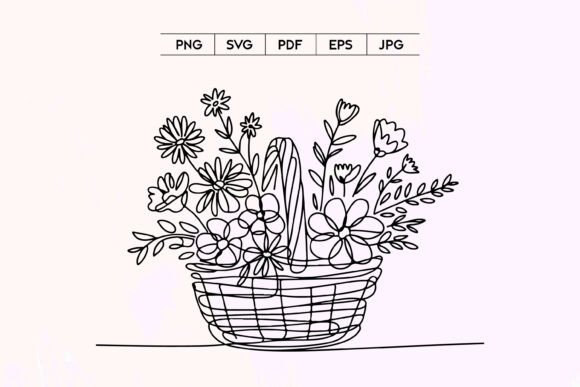
Unlike traditional botanical illustrations that rely on realistic rendering, line art focuses on the skeleton of the subject. A flower basket bouquet in this style might feature wildflowers, spring blooms, or rustic garden arrangements defined by a single black line or a series of elegant outlines. The result is an image that feels both modern and timeless, fitting seamlessly into cottage-style decor, romantic wedding invitations, or contemporary web design. Whether you are working with PNG, SVG, EPS, PDF, or JPG formats, the versatility of these vector-based or high-resolution raster files ensures they remain crisp across various media.
The Visual Language of Minimalist Floral Design
The appeal of Flower Basket Bouquet Line Art Illustration lies in its restraint. By removing color and texture, the viewer’s eye is forced to follow the path of the line. This creates a sense of movement and flow that is inherently calming. In design terms, this is known as reducing cognitive load. When a user encounters a website or a packaging label adorned with simple, hand-drawn sketches of blossoms and leaves, they process the information faster because there is less visual clutter to decode.
This style bridges the gap between abstract art and recognizable imagery. A continuous line drawing of a decorative basket filled with petals and foliage suggests abundance without overwhelming the composition. It evokes feelings of nostalgia and warmth, reminiscent of doodles in a sketchbook yet refined enough for professional use. The "hand-drawn" quality adds a human touch, which is crucial in an era where consumers crave authenticity. It signals that a brand values craftsmanship and attention to detail, even if the final product is digitally produced.
Furthermore, the monochromatic nature of black line art makes it incredibly adaptable. It does not clash with existing brand colors. Instead, it acts as a neutral enhancer. Whether placed against a stark white background for a clean, modern look or overlaid on a textured paper backdrop for a rustic feel, the illustration maintains its integrity. This flexibility is why such assets are staples in the toolkit of savvy creative professionals who need reliable design elements that work across diverse projects.
Strategic Applications Across Creative Industries
Understanding where to apply these illustrations is key to maximizing their impact. In brand identity and logo design, a minimalist flower basket can serve as a sophisticated icon for businesses in the wellness, beauty, or organic food sectors. It communicates natural ingredients and gentle care without using cliché green leaves or watercolor splashes. For editorial design, such as magazines or blogs focusing on lifestyle and home decor, these illustrations break up text blocks effectively, providing visual breathing room while maintaining thematic consistency.
In packaging design, the trend toward sustainable and eco-friendly products pairs perfectly with line art. A simple outline of wildflowers on a kraft paper box suggests earthiness and simplicity. It reduces ink usage, which aligns with environmental values, while still looking premium and stylish. Similarly, in web design and social media graphics, these assets load quickly due to their simple geometry (especially in SVG format) and scale beautifully on mobile devices. They add aesthetic value without slowing down site performance, a critical factor for user experience and SEO.
Content creators and bloggers also benefit significantly. Using consistent floral line art as dividers, headers, or background elements helps establish a cohesive visual narrative. It creates a recognizable style that followers associate with the creator’s personal brand. For crafters and small business owners selling handmade goods, these illustrations can be used on tags, stickers, and thank-you cards, adding a professional polish that elevates perceived value.
Choosing and Integrating Line Art Assets Effectively
Selecting the right Flower Basket Bouquet Line Art Illustration requires more than just picking a pretty picture. You must consider the technical specifications and the artistic intent. First, evaluate the file formats. Vector files like SVG, EPS, and PDF are essential if you plan to resize the image for large-format prints or billboards. They ensure that the lines remain sharp and do not pixelate. Raster formats like PNG and JPG are suitable for web use, but ensure they are high-resolution to avoid blurriness on retina displays.
Next, consider the line weight and style. Some illustrations use a uniform stroke width, creating a clean, modern look. Others vary the line thickness to mimic the pressure of a pen, offering a more organic, hand-drawn feel. Match this choice to your brand’s personality. A tech startup might prefer the uniform, geometric precision, while a boutique bakery might lean toward the variable, whimsical strokes. Consistency is vital; mixing overly rigid technical drawings with loose, sketchy doodles can create visual dissonance unless done with deliberate artistic intent.
Readability and hierarchy are also crucial when integrating these illustrations with text. Ensure that the line art does not compete with your copy. If using the illustration as a background, lower its opacity or place it in areas with ample white space. When pairing with typography, choose fonts that complement the line art’s elegance. A delicate serif font or a clean sans serif typeface often works well, avoiding heavy, blocky fonts that might overpower the subtle details of the petals and leaves.
Finally, always verify commercial licensing. Many free resources offer limited usage rights. For professional projects, investing in premium font and illustration bundles ensures you have the legal right to use the assets in client work, merchandise, and advertising. This protects your business and supports the artists who create these valuable design assets. By treating these illustrations as strategic tools rather than mere decorations, you can enhance brand perception, improve audience engagement, and create a distinctive visual language that stands out in a saturated market.