Wildflower Line Art SVG: Elevating Digital and Physical Design Projects
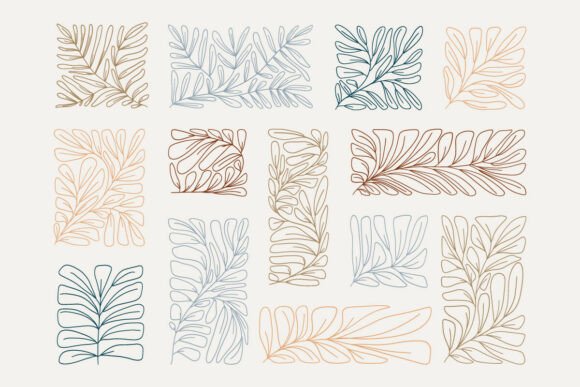
In the vast landscape of digital design assets, few resources offer the versatility and timeless appeal of Wildflower Line Art SVG. This specific style of botanical illustration has transcended niche crafting communities to become a staple for professional designers, small business owners, and hobbyists alike. Unlike complex, full-color illustrations that can dominate a layout or require significant processing power to render, line art relies on simplicity, negative space, and elegant contours to convey beauty. When you acquire a comprehensive bundle that includes formats like SVG, PNG, EPS, JPG, and PDF, you are not just buying an image; you are investing in a flexible toolkit capable of adapting to nearly any creative medium.
The Power of Minimalist Botanical Aesthetics
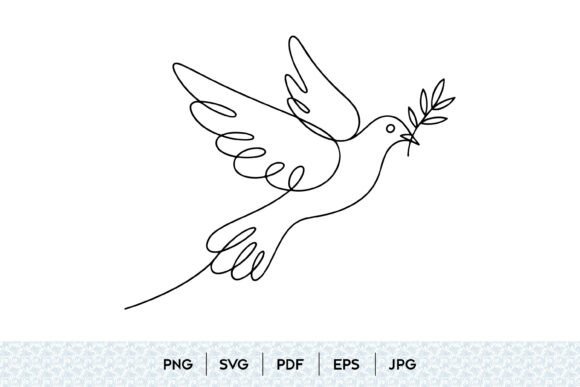
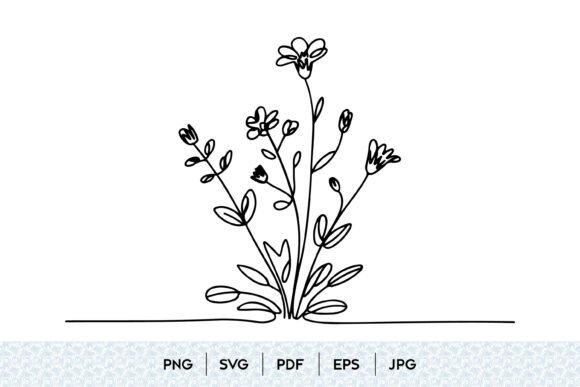
The appeal of minimalist flower drawing lies in its ability to communicate sophistication without clutter. A one line flower svg or a continuous line drawing captures the essence of a bloom with a single, unbroken stroke. This technique creates a sense of fluidity and motion that resonates with modern aesthetic preferences. For interior designers and home decor enthusiasts, this translates into botanical wall art that feels airy and contemporary rather than heavy or dated. Black and white flower art fits seamlessly into various design schemes, from Scandinavian minimalism to industrial chic, allowing the natural form of the plant to take center stage.
When working with these assets, the quality of the vector file is paramount. An SVG (Scalable Vector Graphics) file ensures that your wildflower outline art remains crisp and clear whether it is scaled down for a business card or blown up for a large-format banner. This scalability is crucial for maintaining professional standards across different applications. Furthermore, the inclusion of EPS and PDF formats provides compatibility with industry-standard software like Adobe Illustrator and InDesign, making these files indispensable for print professionals who require precise color control and layer management.
Transforming Crafting and DIY Projects
For the maker community, particularly those using cutting machines like Cricut or Silhouette, a high-quality cricut floral design is gold. The clean paths in a well-optimized SVG file mean less weeding time and fewer errors during the cutting process. Whether you are creating intricate paper quilling projects, vinyl decals for water bottles, or heat-transfer designs for tote bags, the precision of a laser cut flower file or a contour flower drawing ensures professional-looking results every time. The simplicity of simple floral outlines makes them ideal for beginners who are still mastering their machines, while the elegance of elegant botanical design satisfies experienced crafters looking to create premium products for sale.
Beyond cutting, these assets are perfect for printable flower svg projects. Imagine designing custom wedding invitations where delicate flower stems wrap around the text, or creating educational materials for children featuring hand sketched flowers. The availability of PNG files with transparent backgrounds allows for easy drag-and-drop functionality in user-friendly design platforms like Canva, enabling non-designers to incorporate artistic floral design into their personal projects with ease. This accessibility democratizes design, allowing anyone to create aesthetic floral decor for their homes or events.
Commercial Applications and Brand Identity
Small businesses, especially those in the wellness, beauty, and organic food sectors, often seek branding that reflects nature, purity, and simplicity. A modern botanical artwork logo or packaging element can instantly communicate these values. Using a meadow flower outline or a wild bloom svg on product labels, thank-you cards, or social media graphics helps establish a cohesive brand identity. The neutral nature of line art means it does not clash with existing brand colors, offering a versatile backdrop that enhances rather than competes with other design elements.
Consider the textile and fashion industry. A natural floral pattern derived from floral arrangement illustration can be repeated seamlessly to create unique fabric prints for clothing, scarves, or home textiles. The subtle elegance of botanical engraving style designs adds a touch of vintage charm to modern apparel, appealing to consumers who appreciate artisanal details. Similarly, stationery brands can leverage floral nursery decor motifs to create gentle, soothing designs for baby products, journals, and planners, tapping into the growing market for mindful and intentional living accessories.
Enhancing Digital Content and Web Design
In the digital realm, page load speed and visual clarity are critical. SVG files are inherently lightweight compared to high-resolution raster images, making them ideal for web design. Incorporating a garden flower svg as an icon, divider, or background element can enhance the user experience without slowing down the site. These graphics scale perfectly on retina displays and mobile devices, ensuring that your website looks polished on all screen sizes. For bloggers and content creators, using spring flower illustration as featured image overlays or section headers can add a touch of personality and warmth to otherwise text-heavy pages.
Social media managers also benefit greatly from having a library of decorative flower clipart. Consistent visual themes help build audience recognition and engagement. By using a set of cohesive hand drawn flower svg elements, brands can create templates for quotes, announcements, and promotional posts that feel curated and professional. The versatility of formats means you can use the JPG for quick uploads or the PNG for layered compositions in stories and reels, ensuring your content always looks its best.
Key Considerations for Selection and Use
While the benefits are numerous, choosing the right Wildflower Line Art SVG requires attention to detail. Not all vector files are created equal. Some may contain unnecessary anchor points or complex paths that can cause issues when cutting or editing. It is essential to preview the files and check for clean, smooth lines. Additionally, consider the intended use case. If you plan to modify the design significantly, ensure the layers are organized and grouped logically within the SVG or EPS file. For print projects, verify that the line weight is appropriate for the printing method; extremely thin lines may disappear in low-quality prints or when scaled down too far.
Licensing is another critical factor. Always review the terms of use provided with the asset. While many creators offer commercial licenses, there may be restrictions on the number of physical items you can produce or requirements for attribution. Understanding these boundaries protects your business and respects the artist’s work. Furthermore, think about the context in which the floral stem illustration will appear. Does it complement the surrounding text and imagery? Does it align with the overall mood and message of your project? Thoughtful integration ensures that the art enhances rather than distracts from your core content.
Ultimately, the value of these digital assets lies in their adaptability. From a delicate flower illustration used in a high-end jewelry catalog to a simple garden flowers motif on a rustic wedding favor, the potential applications are limited only by imagination. By leveraging the strengths of vector graphics and the universal appeal of botanical themes, creators can produce work that is both visually striking and functionally robust. Whether you are a seasoned designer or a curious beginner, incorporating these elements into your workflow can elevate your projects and streamline your creative process.