Watercolor Hieroglyph Clipart Sakura: Integrating Artistic Assets into Professional Design Workflows
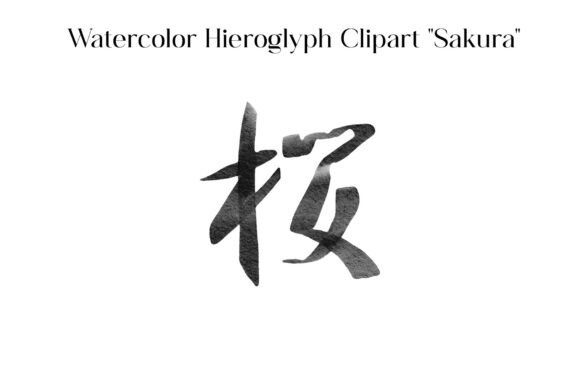
In the fast-paced world of digital content creation, the difference between a generic design and a memorable brand experience often lies in the subtle details. Visual assets serve as the building blocks of communication, but not all assets are created equal. The Watercolor Hieroglyph Clipart Sakura represents a specific intersection of traditional artistic technique and modern digital utility. It is not merely a decorative element; it is a strategic tool for designers, marketers, and creators who need to convey themes of renewal, elegance, and natural beauty without sacrificing production efficiency.
Understanding how to effectively integrate this type of high-resolution, hand-painted asset into your workflow requires more than just downloading a file. It involves recognizing where such an element fits within the broader context of project planning, brand consistency, and technical execution. Whether you are designing a spring marketing campaign, crafting personalized stationery, or developing educational materials, the implementation of watercolor textures demands a thoughtful approach to layering, color theory, and output quality.
The Strategic Value of Hand-Painted Digital Assets
Digital design has largely moved toward clean lines and vector precision. While this offers scalability and uniformity, it can sometimes result in visuals that feel sterile or impersonal. This is where the Watercolor Hieroglyph Clipart Sakura adds significant value. The organic imperfections inherent in watercolor painting—the soft edges, the gentle color blending, and the visible brush strokes—introduce a human touch that algorithms cannot easily replicate.
For professionals, this asset serves as a bridge between conceptual ideation and final execution. When planning a project centered around themes of growth, spring, or cultural appreciation, starting with a pre-rendered, high-quality watercolor element saves hours of manual illustration time. Instead of attempting to simulate watercolor effects using complex digital brushes and layer masks, you can build your composition around an authentic, hand-painted source. This allows you to focus on layout, typography, and messaging, knowing that the core visual element already possesses the desired aesthetic warmth.
Technical Preparation and File Management
Before integrating any clipart into a professional workflow, technical compatibility must be established. The Watercolor Hieroglyph Clipart Sakura is provided as a high-resolution PNG file with a transparent background at 300 DPI. These specifications are critical for maintaining quality across various media types.
- Resolution Standards: At 300 DPI, this asset is print-ready. This means it can be used for physical products like greeting cards, posters, and packaging without pixelation. For web use, you may need to resize the image to optimize load times, but starting with a high-resolution source ensures clarity even when scaled down.
- Transparency Utility: The transparent background is essential for seamless integration. It allows the watercolor texture to sit naturally over different backgrounds, whether that is a solid pastel color, a textured paper scan, or a photographic image. This eliminates the need for time-consuming background removal processes.
- Color Profile Awareness: Watercolor art relies heavily on subtle gradients. Ensure your design software is set to the correct color profile (sRGB for digital, CMYK for print) to preserve the integrity of the soft pinks and whites characteristic of cherry blossoms.
Organizing these assets within your digital library is also part of efficient workflow management. Tagging files with relevant keywords such as "spring," "floral," "watercolor," and "Japanese-inspired" ensures that you can quickly locate the Sakura clipart when working on future projects. Consistency in file naming and folder structure reduces friction during the creative process.
Integration Across Different Creative Verticals
The versatility of the Watercolor Hieroglyph Clipart Sakura allows it to function effectively in diverse professional contexts. Its application varies depending on the end goal of the project, but the underlying principle remains the same: use the asset to enhance emotional resonance and visual interest.
Branding and Social Media Graphics
For small business owners and social media managers, consistency is key. Using this clipart as a recurring visual motif can help establish a recognizable brand identity, particularly for businesses in the wellness, beauty, or lifestyle sectors. You might use the sakura symbol as a watermark on Instagram posts, a decorative border for quote graphics, or an accent in story highlights. The soft aesthetic aligns well with brands that prioritize mindfulness, self-care, and natural ingredients.
When creating social media templates, place the clipart in the corners or behind text blocks to add depth without overpowering the message. Because the watercolor style is light and airy, it pairs well with minimalist typography, allowing the text to remain the focal point while the image provides atmospheric context.
Print Design and Stationery
In the realm of print, the 300 DPI resolution of the Watercolor Hieroglyph Clipart Sakura shines. Event planners and graphic designers can incorporate this element into wedding invitations, birthday cards, and corporate event programs. The hieroglyph-style interpretation of the cherry blossom adds a layer of sophistication and cultural depth, making it suitable for formal occasions.
For scrapbookers and planner enthusiasts, the clipart can be printed on sticker paper to create custom decals. This transforms a digital asset into a tactile tool for organization and creativity. The key here is testing print settings on your specific printer to ensure the delicate color blending translates accurately to paper. High-quality matte paper often enhances the watercolor effect, mimicking the texture of traditional art paper.
Educational and Editorial Content
Educators and publishers can use this asset to illustrate topics related to botany, cultural studies, or seasonal changes. In textbooks or online courses, the image serves as a visually engaging anchor that breaks up dense text. Unlike stock photography, which can feel generic, a hand-painted clipart offers a curated, artistic perspective that can make educational materials feel more inviting and less clinical.
Workflow Tips for Seamless Implementation
To maximize the utility of the Watercolor Hieroglyph Clipart Sakura, consider these practical implementation strategies:
- Layering Techniques: In software like Photoshop or Procreate, use blending modes such as "Multiply" or "Overlay" to integrate the watercolor texture with background elements. This can create a more cohesive look where the clipart appears to be painted directly onto the canvas rather than pasted on top.
- Color Harmony: Extract colors from the clipart to build your palette. Use eyedropper tools to sample the soft pinks, whites, and subtle grays from the sakura image. Applying these exact shades to your typography and background elements ensures a harmonious and professional finish.
- Scaling and Composition: Avoid stretching the image disproportionately. Maintain the aspect ratio to preserve the integrity of the brush strokes. If you need a larger element, consider tiling or repeating the pattern subtly rather than enlarging a single instance beyond its optimal resolution.
- Contextual Relevance: Ensure that the use of the sakura symbol aligns with the cultural and thematic context of your project. Respect the symbolism of renewal and beauty associated with cherry blossoms, avoiding usage that might trivialize or misrepresent the cultural significance.
Long-Term Asset Utilization
Investing in high-quality digital assets like the Watercolor Hieroglyph Clipart Sakura is a long-term strategy. Unlike trend-driven graphics that may become outdated quickly, classic watercolor aesthetics have enduring appeal. By incorporating this clipart into your master template library, you create a reusable resource that can be adapted for annual spring campaigns, recurring newsletters, or seasonal product launches.
Regularly review how these assets perform in your designs. Gather feedback from clients or audiences to understand how the visual tone impacts engagement. Over time, you will develop a nuanced understanding of when to deploy this specific style versus other visual approaches, refining your design intuition and improving overall project outcomes.
Ultimately, the Watercolor Hieroglyph Clipart Sakura is more than a decorative image; it is a versatile component of a sophisticated design toolkit. By approaching its integration with technical precision and creative intention, you can elevate your work, streamline your production process, and deliver visuals that resonate with clarity and elegance.