Mastering Musical Notes Staff Symbol Design
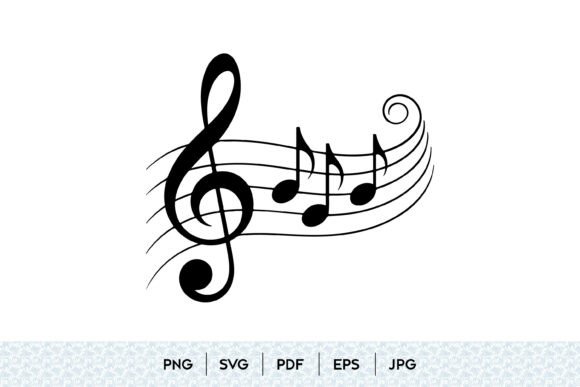
Visual communication in the music industry extends far beyond audio. Whether you are a composer drafting a new symphony, a marketer launching a music festival, or an educator creating lesson plans, the visual representation of sound plays a critical role in how your message is received. Musical Notes Staff Symbol Design serves as the bridge between auditory art and visual identity. It encompasses the artistic and technical arrangement of treble clefs, staves, notes, and other notational elements into cohesive graphics.
Understanding this design niche is not just about knowing what a quarter note looks like. It involves recognizing how these symbols function as universal icons that convey rhythm, harmony, and emotion instantly. For many, accessing high-quality assets—such as vector files, high-resolution PNGs, or editable EPS formats—is the first step toward professionalizing their creative output. This guide explores how different individuals can leverage these designs to meet specific goals, from educational clarity to brand elegance.
Why Visual Music Symbols Matter Across Industries
The appeal of musical notation is universal, but its application varies significantly depending on who is using it. A symbol that works perfectly for a classical concert program might feel out of place on a modern pop album cover. The versatility of Musical Notes Staff Symbol Design lies in its ability to be adapted. When you have access to a comprehensive zip file containing multiple formats like SVG, PDF, JPG, and PNG, you gain the flexibility to deploy these assets across various mediums without losing quality.
For entrepreneurs and small business owners, these symbols often serve as the foundation for logo design or branding materials. A clean, monochrome treble clef can signify sophistication and tradition, while a scattered arrangement of notes might suggest creativity and freedom. The priority here is distinctiveness and scalability. A vector-based SVG ensures that whether the logo is printed on a business card or displayed on a billboard, the lines remain crisp and professional.
In contrast, educators and publishers prioritize accuracy and readability. When designing sheet music covers, worksheets, or classroom decorations, the placement of notes on the staff must be theoretically correct. Misplaced notes can confuse students and undermine the educational value of the material. For this audience, the value of a well-designed asset pack is its reliability. Knowing that the clipart follows standard music theory conventions allows teachers to focus on pedagogy rather than correcting graphical errors.
Tailoring Design Choices to Your Role
Different users approach musical graphics with unique priorities. Identifying where you fit in this spectrum helps you select the right tools and styles for your projects.
Creators and Digital Marketers
If you are a blogger, social media manager, or content creator, speed and aesthetic appeal are likely your top concerns. You need assets that integrate seamlessly into digital layouts. High-resolution PNGs with transparent backgrounds are invaluable here. They allow you to overlay musical elements onto photos, videos, or colored backgrounds without tedious editing.
Consider a marketer promoting a local jazz concert. Using a decorative music illustration that features smooth, flowing lines and a vintage aesthetic can evoke the right mood before the audience even hears a note. The ability to quickly customize colors or adjust opacity in these files saves time and enhances the visual storytelling of the campaign.
Composers and Professional Musicians
For composers and performers, Musical Notes Staff Symbol Design is often about presentation and professionalism. While they may use specialized notation software for scoring, they frequently need supplementary graphics for promotional materials, website headers, or merchandise. A pianist selling sheet music online needs cover designs that look polished and inviting.
Here, the inclusion of EPS and PDF formats is crucial. These vector formats allow for infinite scaling, ensuring that print materials like flyers, programs, and T-shirts maintain high fidelity. The focus is on clean lines and balanced composition, reflecting the precision inherent in their craft.
Hobbyists and DIY Enthusiasts
Not everyone using these designs is a professional. Hobbyists, such as those creating handmade greeting cards, scrapbooks, or home decor, benefit greatly from printable, user-friendly formats. A music lover might want to create a personalized gift for a friend who plays the violin. Access to simple, black-and-white clipart allows for easy coloring or cutting.
For this group, ease of use is paramount. They may not have advanced graphic design skills, so having pre-made illustrations that look artistic without requiring complex manipulation is a significant advantage. The joy comes from the creative assembly of these elements into something personal and meaningful.
Evaluating Quality and Format Utility
When selecting resources for your projects, understanding the technical differences between file types can prevent frustration and ensure high-quality results. A typical comprehensive package offers a variety of formats, each serving a specific purpose.
- SVG (Scalable Vector Graphics): Ideal for web design and logos. These files are code-based, meaning they load quickly and scale perfectly to any size without pixelation. They are essential for responsive websites and modern digital interfaces.
- EPS (Encapsulated PostScript): The standard for professional printing. If you are sending designs to a commercial printer for brochures or large banners, EPS files ensure that colors and shapes remain accurate. They are editable in most professional design software.
- PNG (Portable Network Graphics): Best for digital use where transparency is needed. A 300 PPI PNG offers high quality for screen displays and basic printing, making it a versatile choice for bloggers and social media managers.
- JPG (Joint Photographic Experts Group): Suitable for quick previews or non-transparent backgrounds. While less flexible than PNG or SVG, JPGs are universally compatible and useful for simple document insertion.
- PDF (Portable Document Format): Excellent for sharing and printing documents. PDFs preserve the layout and quality of vector graphics, making them perfect for distributing sheet music samples or instructional guides.
Choosing the right format depends on your end goal. A web designer will prioritize SVGs for performance, while a print shop owner will rely on EPS or high-resolution PDFs. Understanding these distinctions empowers you to make informed decisions that align with your project's technical requirements.
Practical Applications for Enhanced Engagement
To truly leverage Musical Notes Staff Symbol Design, consider how these elements can enhance engagement in specific scenarios. For instance, an online music course provider can use stylized staff lines as background textures for video thumbnails, creating a consistent brand identity that signals "music education" at a glance. Similarly, a podcast about classical music might use intricate, ornate clef designs in their episode artwork to convey depth and tradition.
For event organizers, combining text with musical icons can improve information hierarchy. Placing a small note icon next to performance times or venue details adds visual interest and helps attendees scan information more efficiently. This subtle use of design improves user experience without overwhelming the viewer.
Ultimately, the value of these design assets lies in their ability to communicate complex ideas simply. Music is an abstract art form, but its notation is structured and recognizable. By integrating well-designed musical symbols into your work, you tap into a shared cultural language that resonates with audiences across demographics. Whether you are aiming for educational clarity, brand recognition, or artistic expression, selecting the right musical graphics can elevate your project from ordinary to exceptional.
As you explore the possibilities, remember that the best design choices are those that support your specific objectives. Take the time to assess your needs regarding format, style, and usage rights. By doing so, you ensure that every treble clef, note, and staff line contributes meaningfully to your overall vision.