Mastering Maritime Aesthetics with the Nautical Rope Loop Horizontal Border Dec
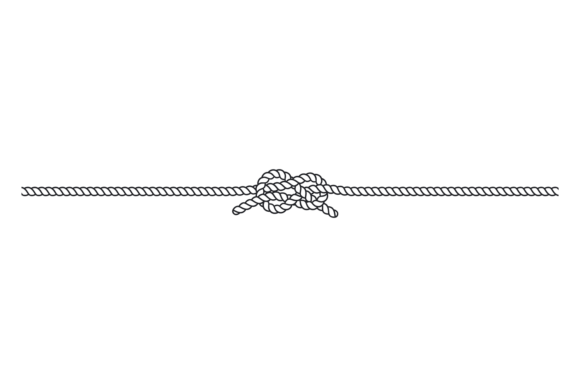
In the expansive world of digital design and print media, thematic consistency is often the differentiator between a generic layout and a compelling visual narrative. Among the myriad of decorative elements available to creators, maritime motifs hold a distinct place due to their timeless appeal and versatility. Specifically, the Nautical Rope Loop Horizontal Border Dec has emerged as a critical asset for designers seeking to infuse projects with a sense of adventure, stability, and classic elegance. This decorative element is not merely a line; it is a textured representation of nautical heritage, crafted to serve both functional and aesthetic purposes across various media formats.
Understanding the utility of this specific border requires a deep dive into its structural composition and the technical flexibility it offers. Whether you are a graphic designer working on a high-end brochure, a web developer looking for unique CSS background elements, or a hobbyist creating personalized invitations, the isolated nature of this pattern on a white background provides unparalleled ease of use. The availability of multiple file formats, including EPS, JPG, SVG, and transparent PNG, ensures that the integrity of the rope texture is maintained regardless of the scale or medium.
The Visual Psychology of Nautical Motifs
The enduring popularity of nautical themes stems from their ability to evoke specific emotional responses. Rope, in particular, symbolizes connection, strength, and reliability. When utilized as a horizontal border, the looping pattern creates a rhythmic visual flow that guides the viewer’s eye across the page or screen. Unlike straight, rigid lines, the organic curves of a rope loop introduce a sense of movement and softness, balancing out sharp typography or geometric layouts.
For educators and researchers presenting historical content related to maritime history, using an authentic-looking rope border can enhance the immersive quality of the material. It serves as a subtle contextual cue, signaling to the audience that the content is related to the sea, exploration, or naval traditions. This semantic alignment between visual design and content subject matter improves comprehension and retention, making the Nautical Rope Loop Horizontal Border Dec a valuable tool in educational publishing.
Technical Versatility Across File Formats
One of the most significant advantages of modern digital assets is format diversity. The Nautical rope loop horizontal border decorative pattern isolated on white background is typically distributed in a suite of file types, each serving a specific function in the design workflow.
- EPS (Encapsulated PostScript): This vector format is indispensable for professional printers and large-scale applications. Because it is vector-based, the rope pattern can be scaled infinitely without losing resolution. This is crucial for billboards, large banners, or high-quality packaging where pixelation would be unacceptable.
- SVG (Scalable Vector Graphics): For web developers and UI designers, SVG is the gold standard. It allows the border to remain crisp on retina displays and high-DPI screens while keeping file sizes small. Furthermore, SVG code can be manipulated via CSS, enabling dynamic color changes or animations that respond to user interaction.
- JPG (Joint Photographic Experts Group): While less flexible than vector formats, JPGs are universally compatible and ideal for quick previews, social media graphics, or documents where transparency is not required. The isolated white background in the JPG version simplifies placement in word processors or basic design tools.
- Transparent PNG: This format is perhaps the most versatile for digital compositing. With the background removed, the rope border can be overlaid on any color, image, or texture. This is essential for web headers, video overlays, and complex photo editing projects where seamless integration is key.
Practical Applications in Commercial Design
Business owners and marketing professionals can leverage the Nautical Rope Loop Horizontal Border Dec to strengthen brand identity, particularly for companies in the tourism, hospitality, and seafood industries. A restaurant menu featuring fresh catch items gains immediate thematic credibility when framed by high-quality rope graphics. Similarly, travel agencies specializing in coastal destinations can use these borders to section off itinerary details, creating a cohesive and inviting document structure.
In the realm of product packaging, the tactile appearance of rope can suggest durability and artisanal quality. Craft breweries, soap makers, and boutique clothing brands often adopt nautical aesthetics to convey a sense of rugged authenticity. By incorporating the rope loop border into label designs, these businesses can create a shelf presence that stands out through texture and thematic relevance, even in a digital mockup phase.
Enhancing Digital User Interfaces
Web design has moved beyond flat, minimalist aesthetics toward more textured and layered experiences. The horizontal rope border can serve as a distinctive divider between sections of a webpage, such as separating a hero image from the main content area or distinguishing footer information. When implemented as an SVG, it contributes to a lightweight, fast-loading site that still retains visual richness.
For e-commerce platforms selling outdoor or marine gear, using this decorative pattern can reinforce the niche focus of the store. It acts as a visual anchor, reminding users of the brand’s core identity as they scroll through product listings. The key is subtlety; the border should frame the content without overpowering it, ensuring that readability and user experience remain paramount.
Implementation Strategies for Creators
Successfully integrating the Nautical rope loop horizontal border decorative pattern isolated on white background requires an understanding of color theory and spacing. Since rope textures are often detailed, they pair best with ample white space or solid, contrasting backgrounds. Cluttering the area around the border can diminish its impact and make the design feel busy.
Color customization is another critical consideration. While traditional rope is depicted in natural hemp or manila tones, modern design trends allow for creative reinterpretations. Designers might adjust the hue to match brand colors, using navy blues, crisp whites, or even metallic golds for a luxurious twist. The vector formats (EPS and SVG) make this recoloring process straightforward, allowing for rapid iteration during the design phase.
- Assess the Medium: Determine whether the final output is print or digital. Choose EPS for print and SVG or PNG for digital to ensure optimal quality.
- Check Resolution: If using JPG or PNG, ensure the resolution is at least 300 DPI for print projects to avoid jagged edges.
- Maintain Proportion: Scale the border proportionally to the text size. A border that is too thick can overwhelm small font sizes, while one that is too thin may get lost in larger layouts.
- Test Contrast: Place the border against various background colors to ensure visibility. Use the transparent PNG version for maximum flexibility in testing.
Considerations for Educational and Hobbyist Use
Beyond commercial applications, this decorative element holds value for educators and hobbyists. Teachers creating classroom materials about ocean conservation or historical navigation can use the rope border to visually organize worksheets and presentations. It adds a layer of professionalism and thematic engagement that standard clip art often lacks.
Hobbyists involved in scrapbooking, card making, or digital journaling can also benefit from the high-resolution assets. The isolated nature of the pattern allows for easy cutting and pasting into digital planning apps or physical print-outs. The realistic texture of the rope adds a tactile dimension to digital crafts, bridging the gap between virtual design and physical sensation.
The Role of High-Quality Assets in Brand Perception
In an era where visual content is consumed rapidly, the quality of design elements directly influences perceived value. Low-resolution or poorly executed graphics can undermine the credibility of a message. Conversely, a crisp, well-integrated Nautical Rope Loop Horizontal Border Dec signals attention to detail and professionalism. It suggests that the creator has invested time in curating appropriate visual metaphors, which builds trust with the audience.
For researchers and academics, the clarity of visual aids is paramount. Using high-quality vector borders ensures that printed papers and posters maintain their legibility and aesthetic appeal, even when viewed from a distance at conferences. The clean lines of the rope loop provide a structured framework that helps organize complex information without adding cognitive load.
Ultimately, the choice to use a nautical rope border is a strategic design decision. It connects the present project to a broader cultural narrative of exploration and resilience. By leveraging the technical advantages of EPS, JPG, SVG, and transparent PNG formats, creators can ensure that this narrative is communicated effectively across all platforms. Whether framing a corporate report, enhancing a wedding invitation, or structuring a website, the Nautical rope loop horizontal border decorative pattern isolated on white background offers a blend of form and function that few other design elements can match.